
There's no real edge to it. Same as with the writing. The stuff that you'd latch onto (and thus remember) is simply not there, precisely because those image or word choices would be just outside its latent probability space. But because they're well inside it, your mind sees nothing novel to register.
This is also why I think human output will actually increase in value. When any AI can just "phone it in", something genuinely human will stand out (to us, not the AI) and become a bellwether.
This will literally help us realize what it means to be human.
I also don't think the solution is simply to "make responses more random", either. That might help solve novel problems (the same way that throwing darts randomly at a dartboard eventually hits the bullseye of the dartboard right next to it that no one considered), but I don't think it will help it "seem more creative".
Yes, as if it is in some weird hidden dimensional sense completely uniform.
ETA: suddenly reminded of the Bateson quote about information being “the difference that makes a difference”.
They were actually rather good in a sort of "fake collodion image" sense, and the eerie early-DALL-E quality to them really helped the spookiness.
But I can only remember this technicality and the feelings with any clarity, not any of the details except in the broadest sense. I cannot bring these images to mind in any meaningful way.
They were deeply wrong and it's only the wrongness I really remember. It confounds memory.
Modern image generators have ironed out all the structural wrongness.
Sometimes I'll check in on my sleeping kid and she'll sit up in bed and say some utter nonsense. I'll find it hilarious, giggle silently to myself, and kiss her goodnight again and she'll close her eyes and lie back.
Why I try to tell her about her sleep-talking in the morning, though, I find that the words she said have completely disappeared from my memory, no matter how funny I thought they were at the time.
In my head-canon, this is because it's dream language, and slips away as easily as dreams. But, like the AI art, it could be because it's bullshit: completely devoid of content, all signifiers and no signified.
I stopped after I wrote something on the pad while I was still asleep. Woke up to text with letters that were backwards, upside down, weird words — so close to real words that I was sure I ought to know what they meant and had really meant to write them down.
Scared me. Literally too weird to keep. I tore up the page.
In a way I think this is one part of the same continuum. There are thoughts that have meaning and can have no words, and words that look like they should have permanent memorable meaning and don't.
??????
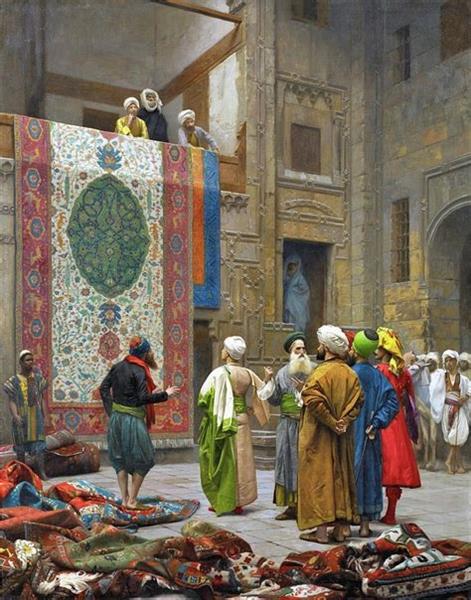
Reason why those images are flat and boring is that they are just statistical guesses making a composition averaging whatever the model has been trained with. They would be technically brilliant (if made in oil), but superficial and meaningless, same as so much Sunday painting is.
Same goes with language. Nobody is trying to communicate anything with you, so it just words after another. You can create meaning out of it if you want of course, we homo sapiens -apes excel at that, but what’s the point? Language Jones on YT has pretty good video on this[3].
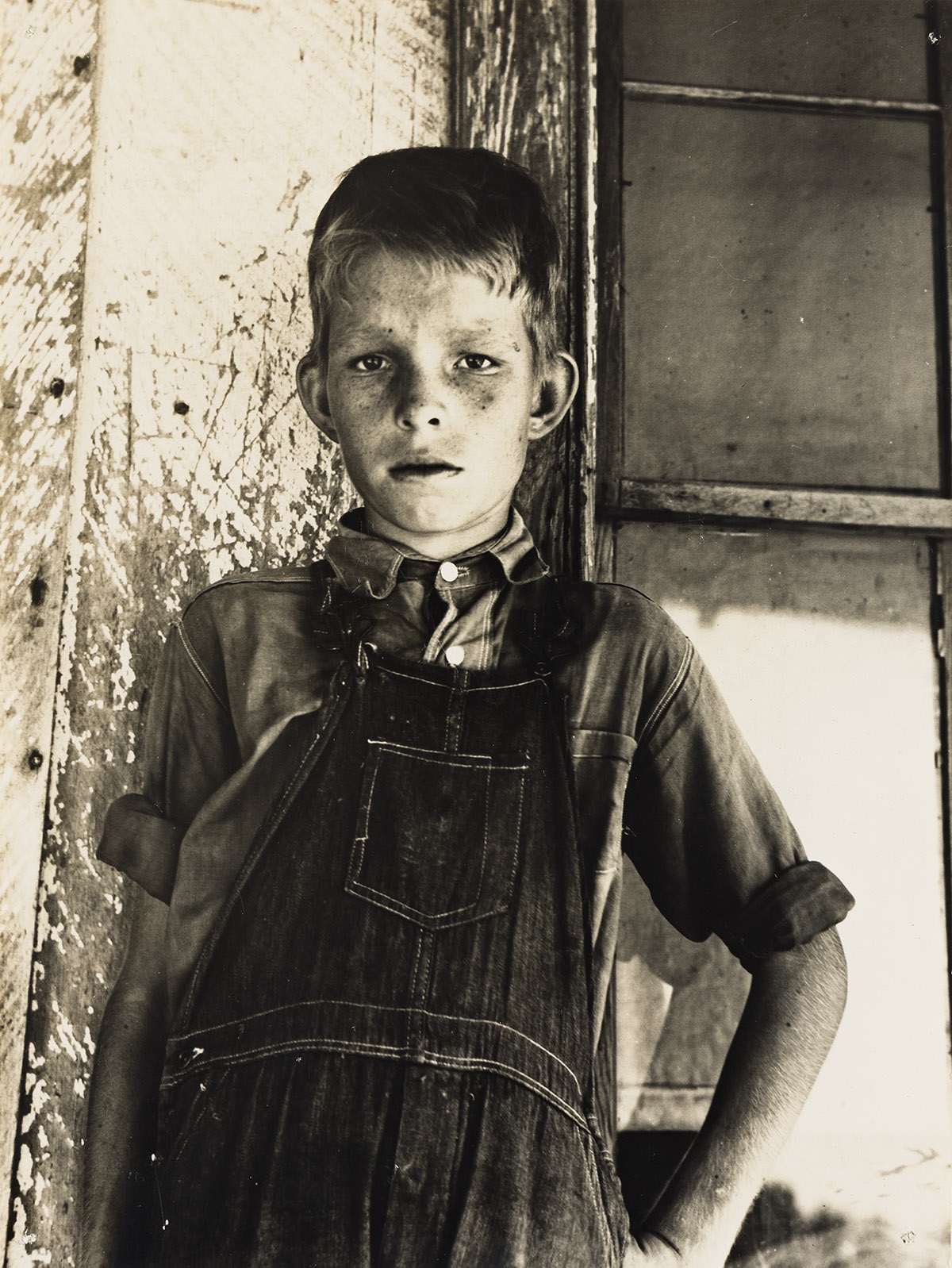
[1] https://media.mutualart.com/Images/2024_01/12/12/124216388/d...
[2] https://uploads4.wikiart.org/00339/images/jean-leon-gerome/t...
The way my memory works (especially as an amateur photographer) I would thus normally have a very good chance of remembering some key details of the images; some fascinating element of each would connect with the rest of the memory.
But it does not happen. Whereas I sometimes remember photos with clarity while forgetting where I even saw them.