
> This works poorly if you intend to localise your application. Great if you don't though.
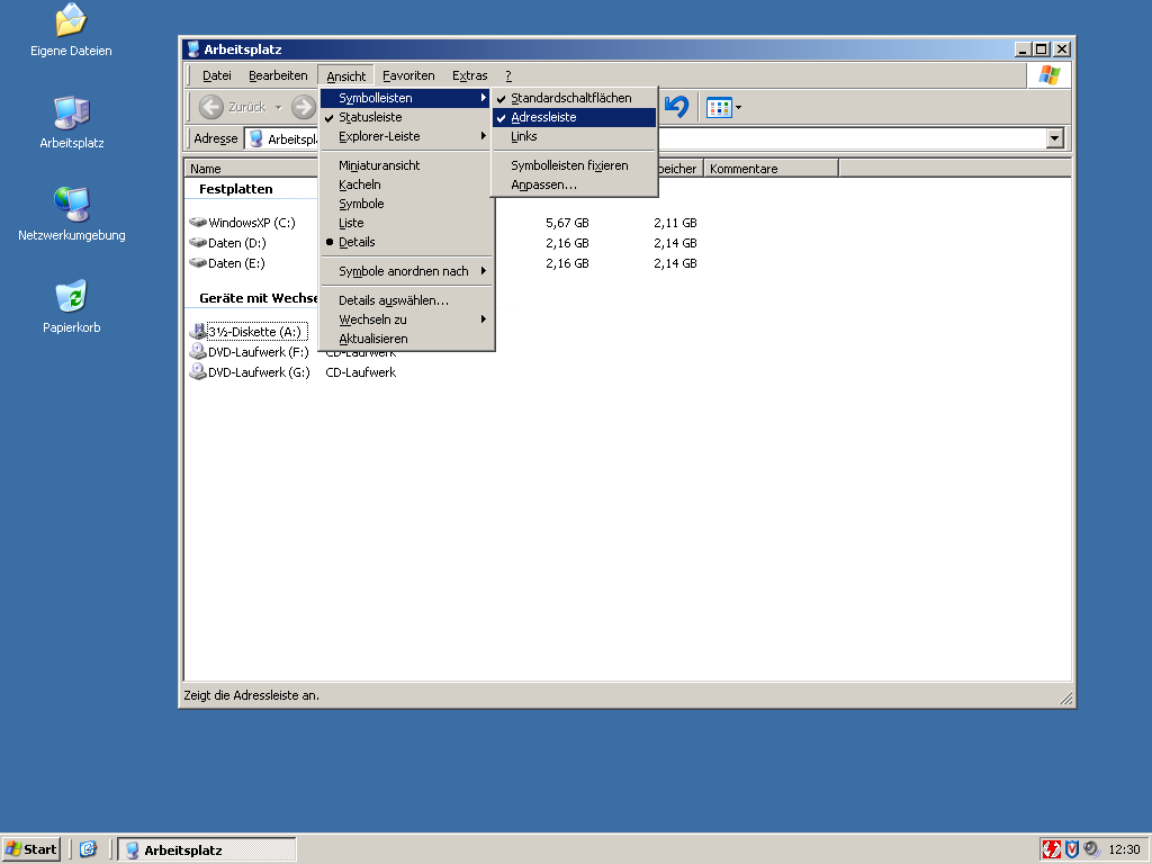
Sure that's true. But remember M$ allowed you to fairly easily edit those underlined-characters in, oh, for example Office 2002 and 2003. Even if you didn't have a lot of default underlines in your current language settings, it is still possible for someone to add their own underline-shortcuts.
Back in those days, the first thing I did on any personal new install of Outlook, was to disable the shortcut that marked all email as being read. (That's cause I hit that button by accident too many times.)
That's a feature that was hidden from me at least, but honestly, this is a good-ish solution to that problem.
I remember Office having the underlines, but they were inconsistent between the original English and my localised version (and I used both depending on the machine), which made them useless. That wasn't that big of an issue when all the normal keyboard shortcuts are also written out, but it would have been even less of a problem if I knew how to edit them.
Even for keys that aren't mnemonic, do you want undo to be ctrl + z or ctrl + the key closest to left shift?
Hence my original comment. I haven't had a problem with different keyboard layouts, since most of the keys that change are on the outer edge, nowhere near where the most common shortcuts are located (then again, I rarely type using QWERTZ).
> Even for keys that aren't mnemonic, do you want undo to be ctrl + z or ctrl + the key closest to left shift?
CTRL+Z, since that's what it's been since time immemorial, even on ISO keyboards. Consistency is king.
To be fair to your point though, that's what most localisation of programs are these days.