
The Cray-1 was measured on 64-bit FLOPS, so you would have to do apples-to-apples (heh). A modern iPhone can do 300 GF of 64-bit, so only 2000x.
replyThe iPhone 4 was probably the first that could beat a Cray-1, and it was by a narrow margin. However, that was only a 32-bit chip. The next year iPhones went 64-bit, and it was all over.
We live in an amazing era, where the limit to what we can do is (almost?) more what we can imagine to do than what we are actually able to do.
replyI phrase this to my kids in a different way, but same exact sentiment: The only limit these days is a modest amount of resources and the ideas in your head.
replyie. Feature film? Sure. Music album, sure. Your own electronics project designed at the kitchen table, ordered from china, housings printed on the 3d printer -- all from the table.
It is an absolutely astoundingly low bar of entry these days to almost anything you'd like to create or build.
What is worth creating when anyone can create anything?
replyoh, but a man's reach should exceed his grasp. Or what is a heaven for?
replyThere is also the issue of cooling. The iPhone will need extra cooling in order to function at full speed for more than a few minutes.
replyI genuinely love r/TheyDidTheMath corrections, thank you!
reply(now calculate it in iphone charger plug computing power heh > lunar lander)
I don't think they would be that surprised. Look at the inside of the Cray-1: https://thumbs.dreamstime.com/z/inside-red-yellow-cray-super...
reply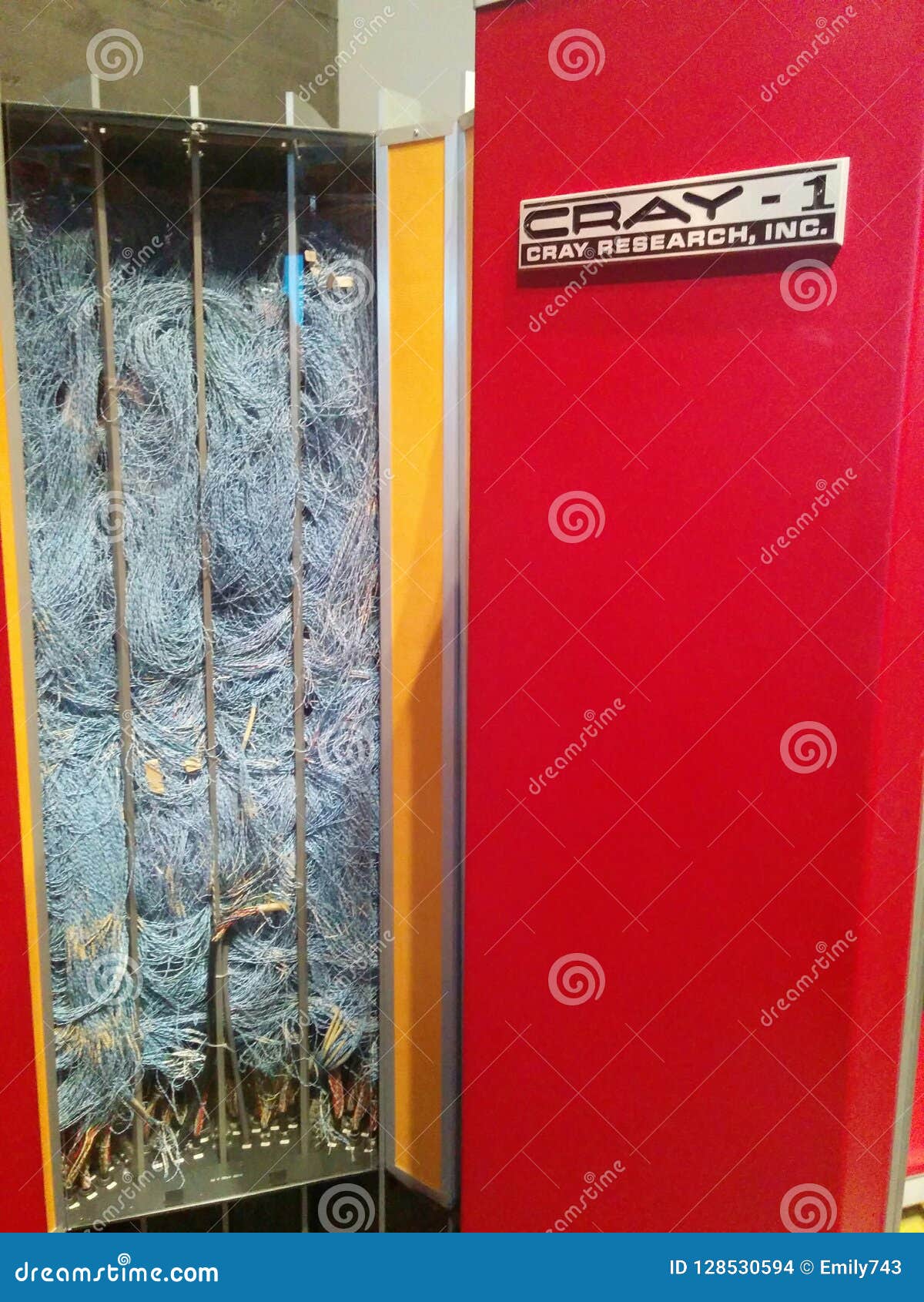
If you were an engineer working on this machine, it was visually clear to you that the modularity took up the majority of the space. The ICs themselves were already pretty dense.